
Blogging Tutorial for Beginners
This Blogging Tutorial for Beginners category is designed to help new learners understand how blogging works and how they can start their own blog step by step. Blogging has become one of the most effective ways to share knowledge, build an online presence, and attract organic traffic from search engines. With the right strategy, blogging can help individuals and businesses educate their audience, improve website visibility, and establish authority in their niche.
I am the founder of Digital Bikana, and through my experience in digital marketing and website development, I have worked with blogs that generate traffic through search engines and valuable content. During this journey, I noticed that many beginners want to start blogging but often feel confused about where to begin. This category is created to simplify blogging concepts and guide beginners through the entire process in a practical and easy way.
In this section, I explain the basics of blogging so beginners can clearly understand what a blog is and why it is important for online growth. Blogging is not only about writing articles; it is about creating useful content that answers questions, solves problems, and provides valuable information to readers.
One of the important topics covered here is choosing the right blog niche. A niche is the main topic or subject your blog focuses on. Selecting a clear niche helps you build a focused audience and allows you to create consistent content around a specific subject.
The tutorials also explain how to set up a blog and create a website using platforms like WordPress. You will learn how to structure your blog, create pages and categories, and publish your first article. These steps are explained in a beginner-friendly way so that even someone with no technical knowledge can start blogging.
Another important part of blogging is content writing and SEO. Creating valuable and well-structured articles helps search engines understand your content and rank it higher in search results. In these tutorials, I explain how to write blog posts that are informative, easy to read, and optimized for search engines.
The goal of this Blogging Tutorial for Beginners category is to make blogging simple and practical. Whether you are a student, entrepreneur, or digital marketing learner, these tutorials will guide you step by step so you can build a blog, publish quality content, and gradually grow your online presence.
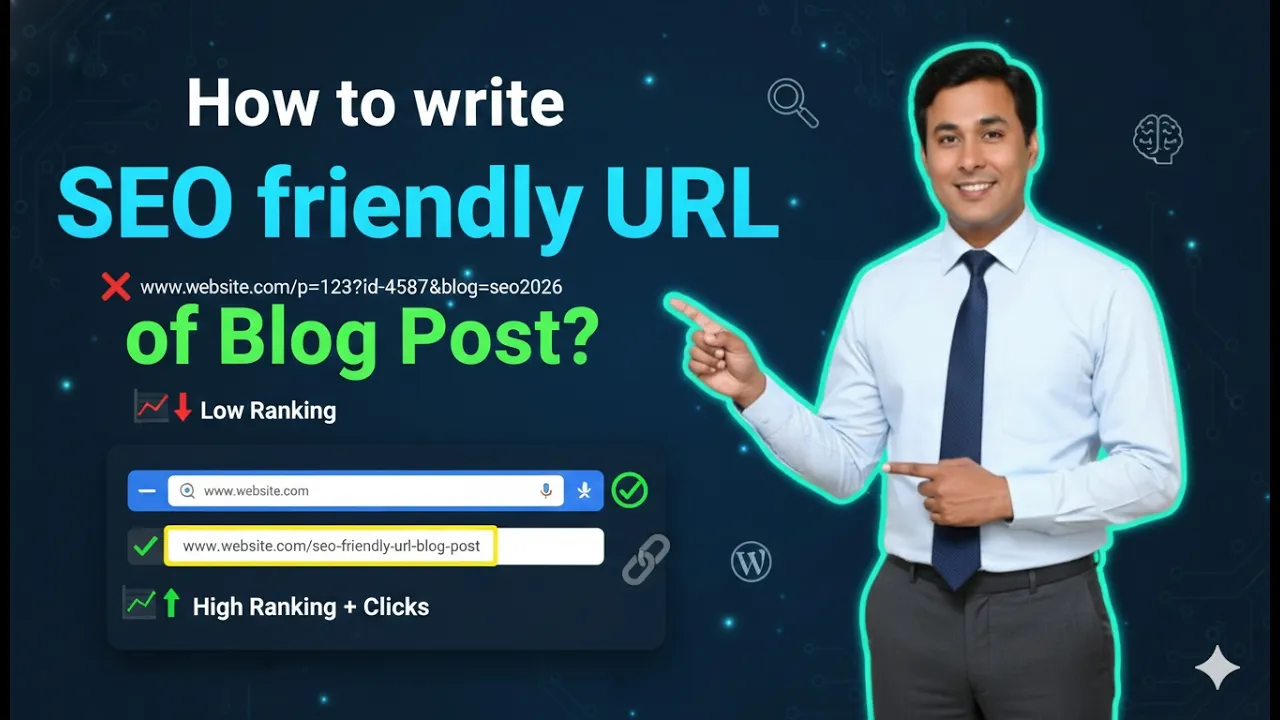
How to Write SEO Friendly URL of Blog Post on WordPress?
Writing an SEO friendly URL is an important part of search engine optimization for a WordPress website. A properly structured URL helps search engines understand the topic of the page and improves the chances of ranking higher in search results. An SEO friendly URL is short, relevant, easy to read, and based on proper keyword […]
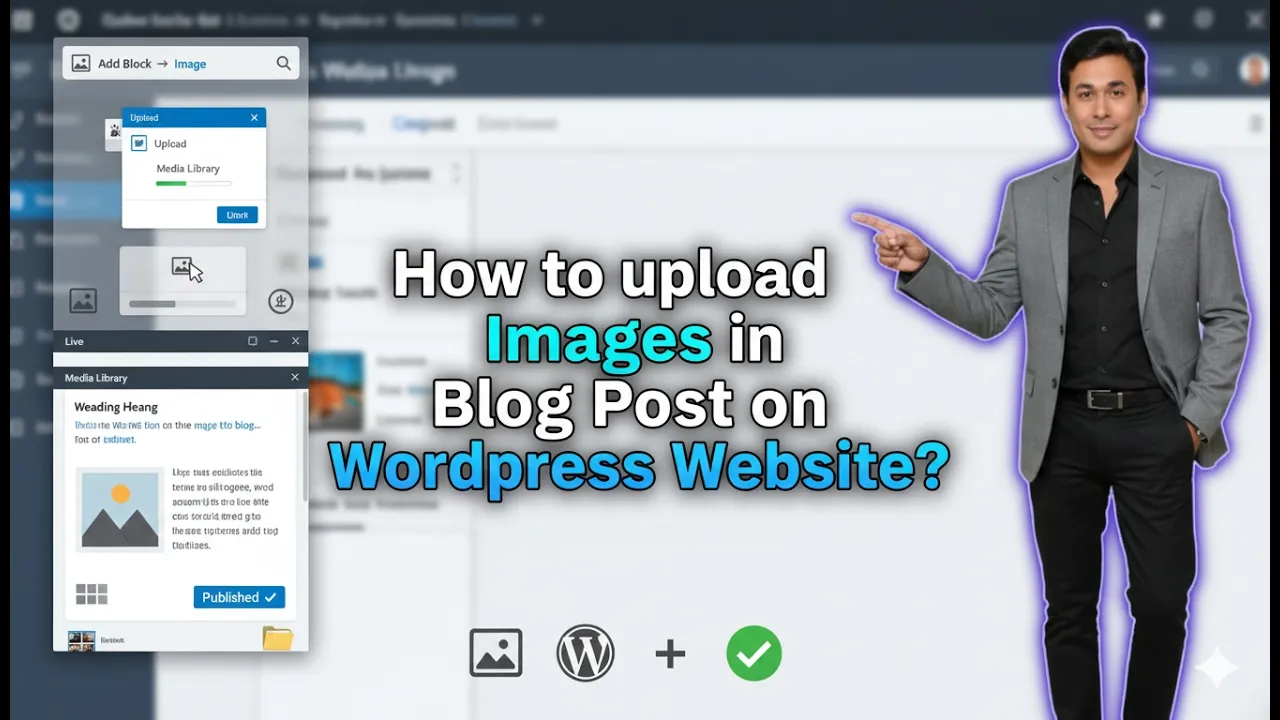
How to Upload Images in a Blog Post on WordPress?
In this article, you will learn how to upload images in a blog post on a WordPress website step by step. Adding images to a blog post is an important part of content creation because images make the article more informative and easier to understand. WordPress allows you to insert images anywhere inside your blog […]
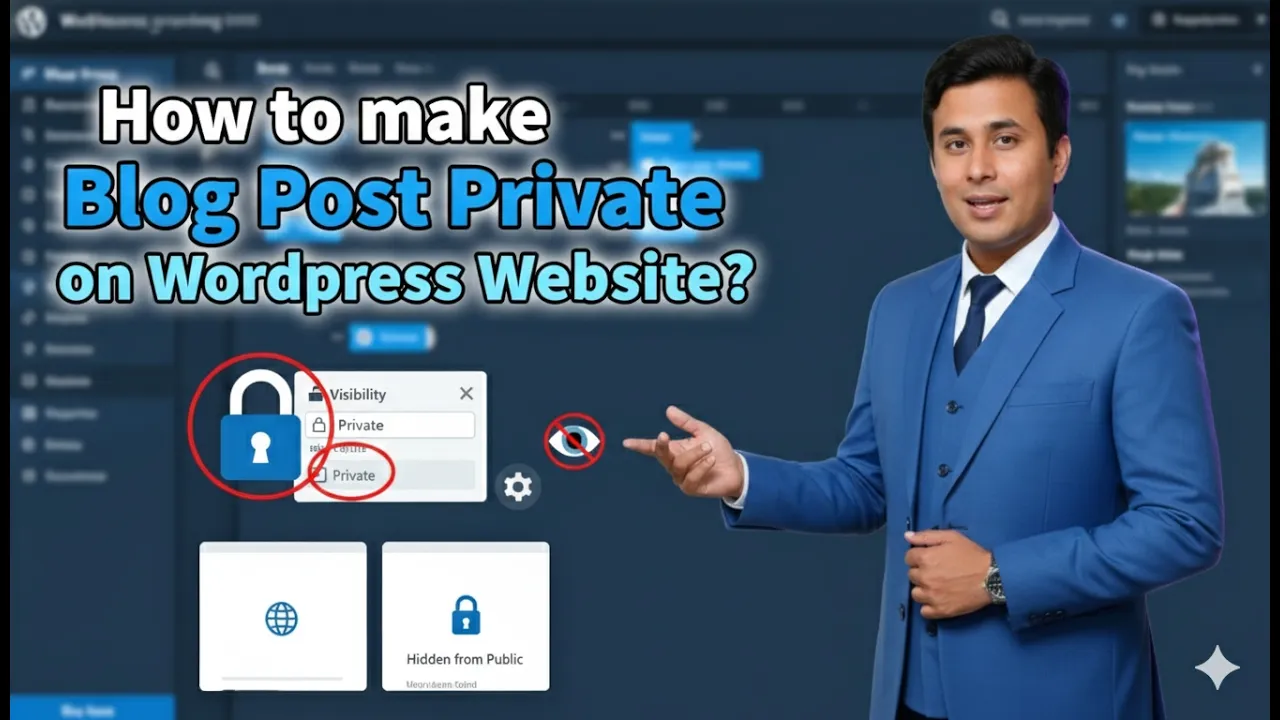
How to Make Blog Post Private on WordPress Website?
Making a blog post private on a WordPress website is a useful feature when you do not want a blog post to be publicly visible. WordPress allows you to control the visibility of your posts so that only authorized users can view them. This feature is helpful when you are working on content that is […]
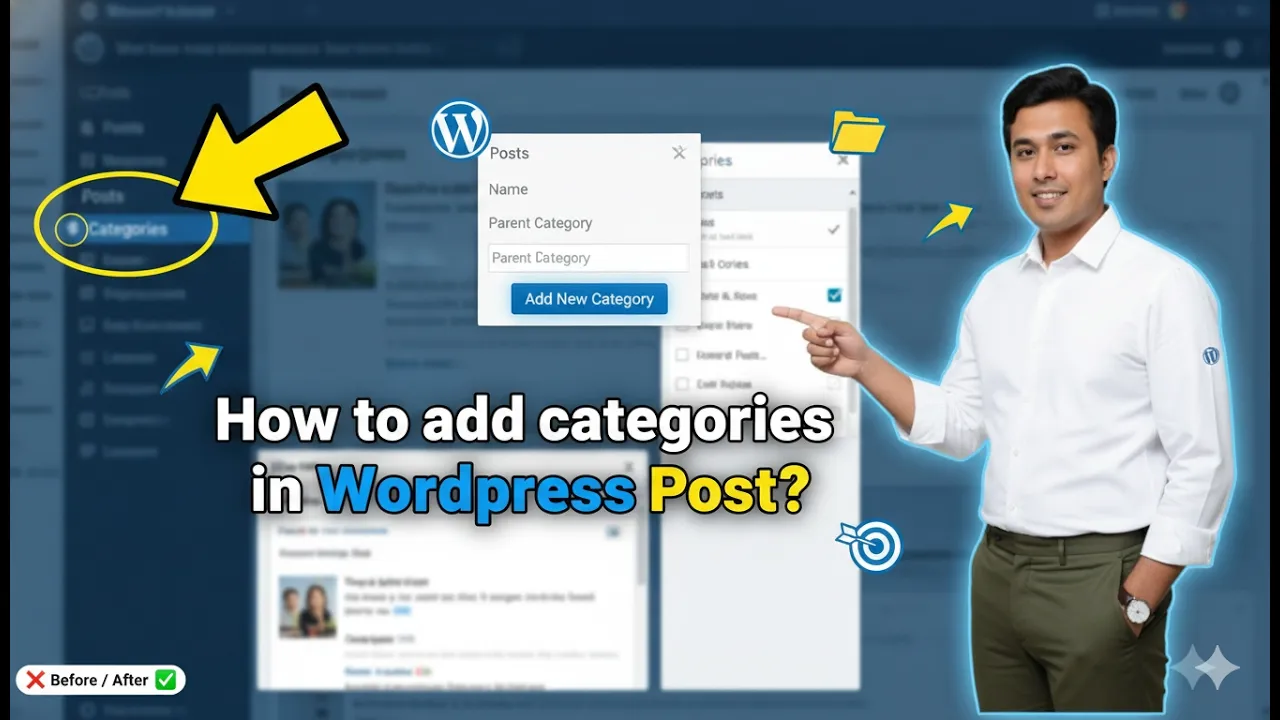
How to Add Categories in a WordPress Post?
Adding categories in a WordPress post is an important step in organizing your website content. Categories help group similar blog posts together so that visitors can easily find related content. Proper category structure also helps improve the SEO of your website because category pages can rank in search engines and attract organic traffic. In this […]
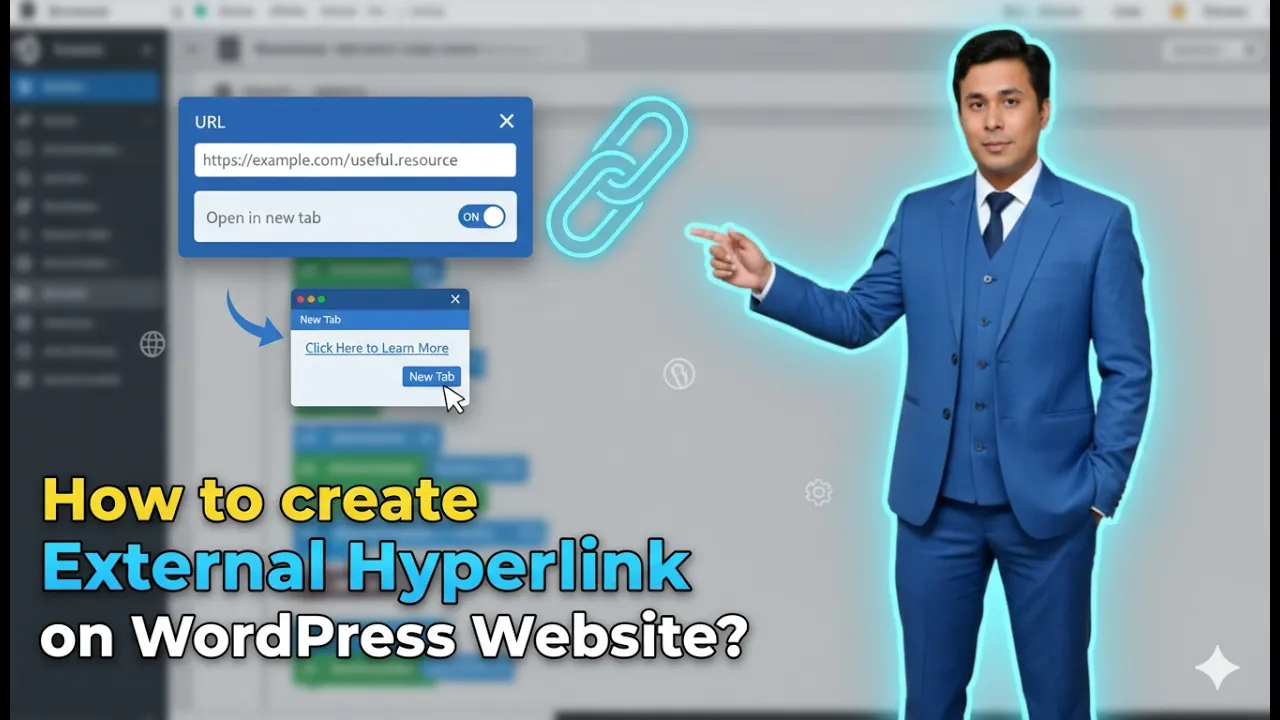
How to Create External Hyperlink in a WordPress Website?
Creating an external hyperlink in a WordPress website is a simple process. External hyperlinks connect your website to other websites and provide additional information to users. External links can improve the usefulness of your content and help users access more information related to the topic. In this article, you will learn how to create an […]
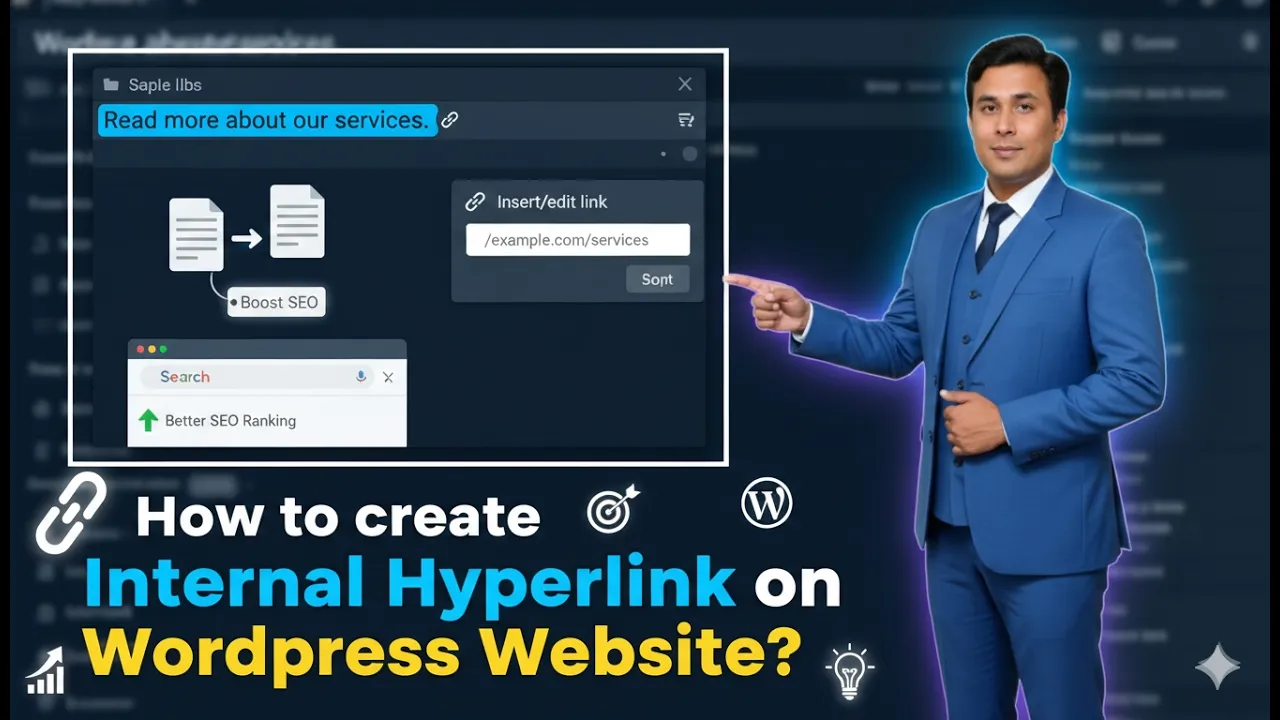
How to Create Internal Hyperlink in a WordPress Website?
Creating internal hyperlinks in a WordPress website is an important part of website structure and SEO. Internal links connect one page of your website to another page of the same website. They help users navigate between related articles and improve the overall user experience. In this article, you will learn how to create internal hyperlinks […]
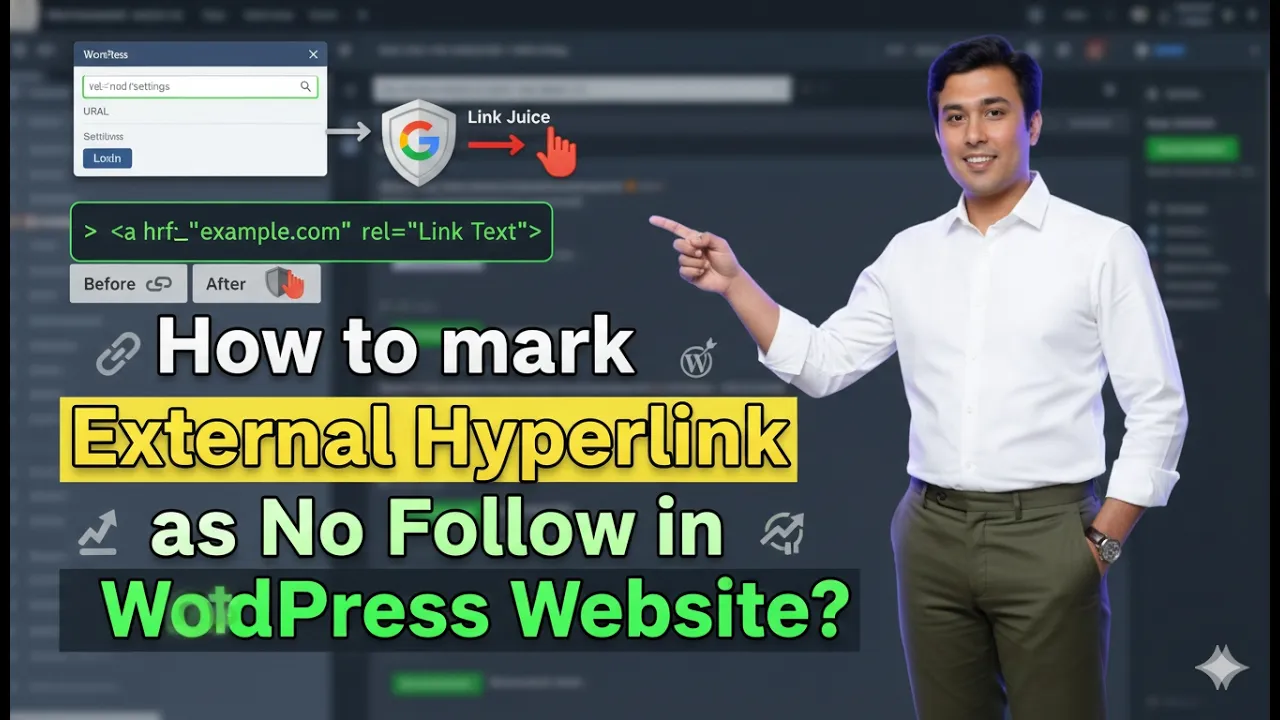
How to Mark an External Link as No Follow in WordPress?
In this article, you will learn how to mark an external link as no follow on a WordPress website. This method helps you control how search engines treat external links on your website. By marking a link as no follow, search engine crawlers will not follow that link and your link value will not be […]
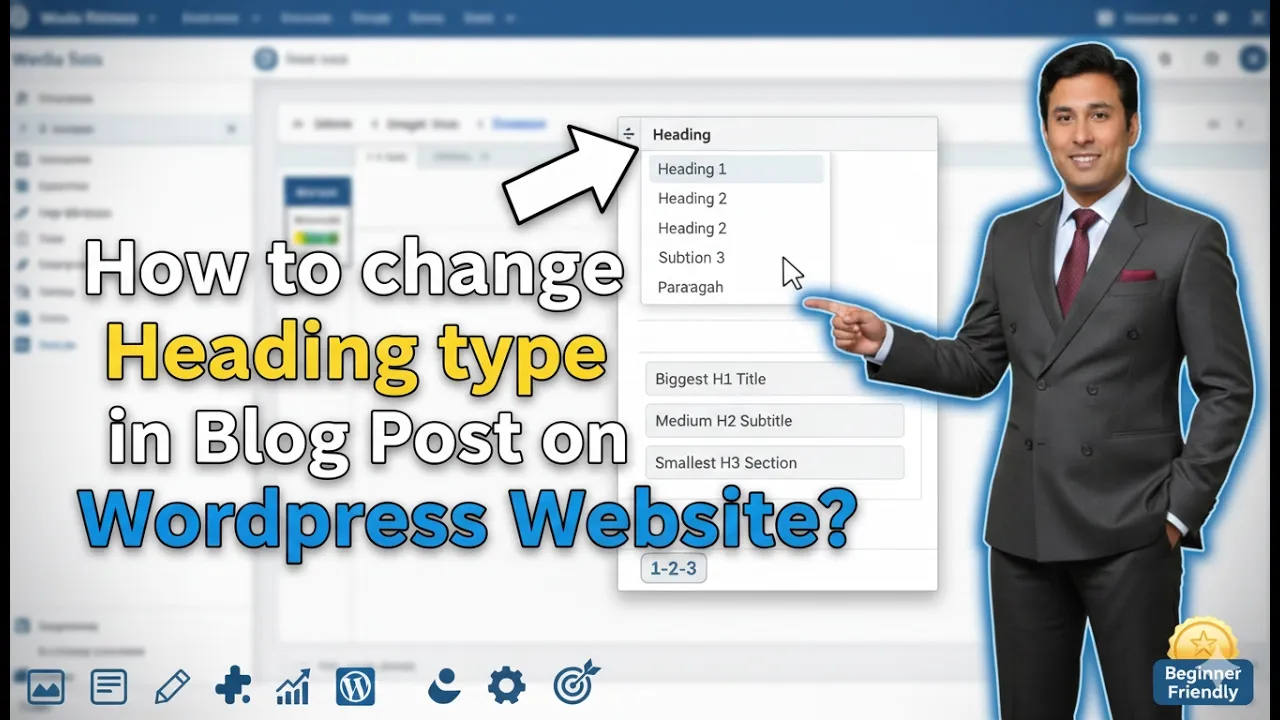
How to Change Heading Type in Blog Post on WordPress?
In this article, you will learn how to change the heading type in a blog post on a WordPress website. Headings are an important part of blog writing because they help organize the content and make the article easier to read. WordPress allows you to change heading types easily from the editor. As you can […]
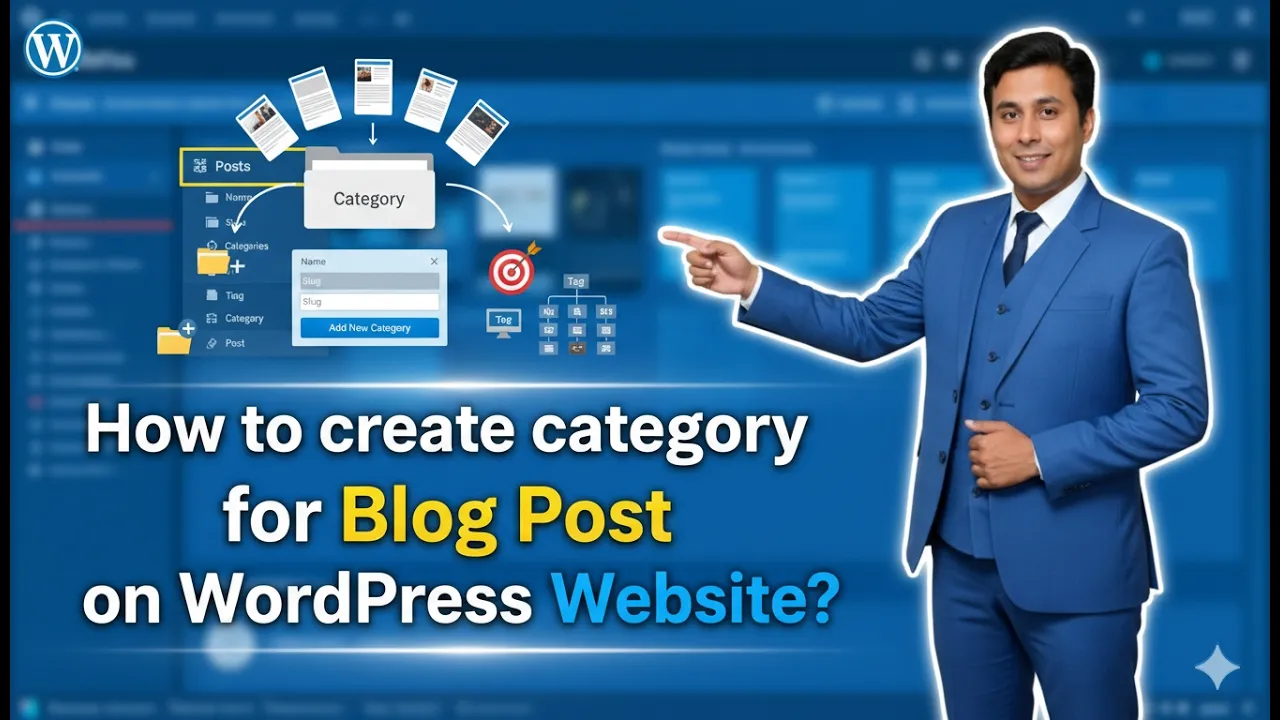
How to Create Category for Blog Post on WordPress?
In this article, you will learn how to create a category for blog posts on a WordPress website step by step. Categories help organize blog posts properly and make it easier for users to find content according to their interests. Creating categories in WordPress is very easy and can be done from the admin dashboard. […]
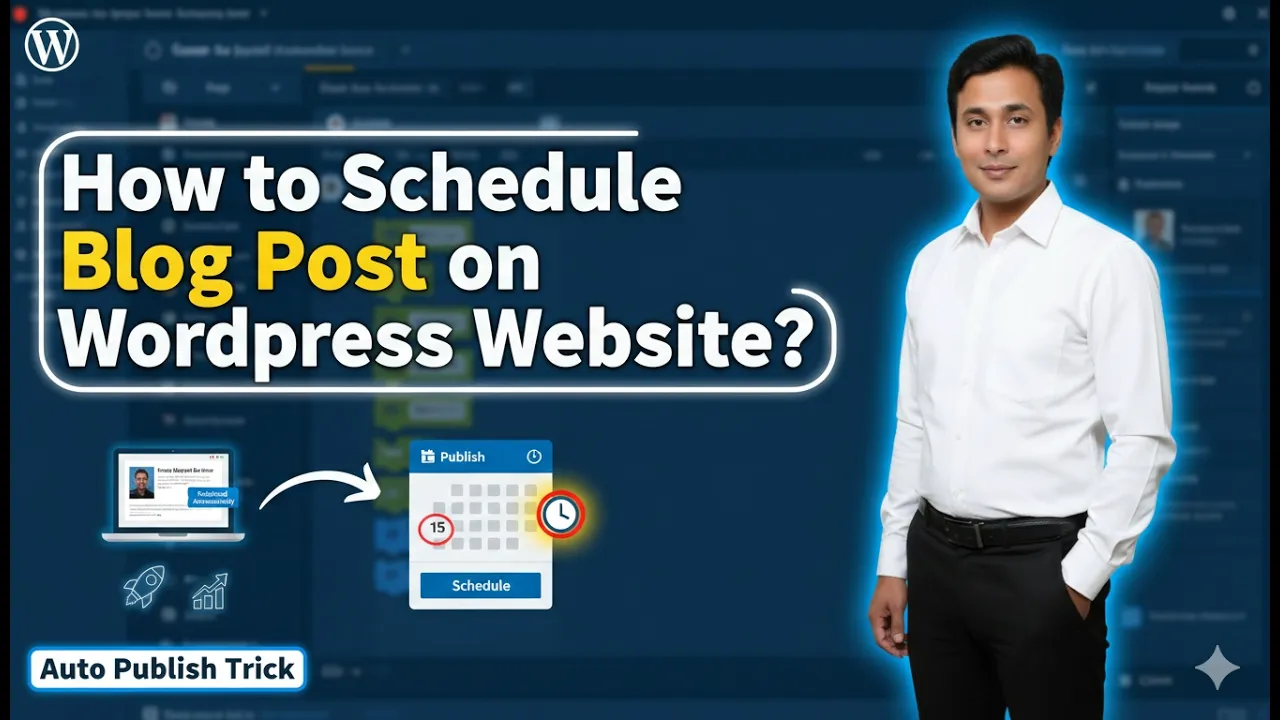
How to Schedule a Blog Post on WordPress Website?
Scheduling a blog post on a WordPress website is very useful when you are writing multiple blog posts and do not want to publish them on the same day. Instead of publishing everything at once, you can schedule blog posts for future dates and times so that they are automatically published on your website. This […]