
Technical SEO is an essential part of search engine optimization that focuses on improving the technical structure of a website so that search engines can crawl, index, and rank it effectively. A website may contain high-quality content, but without proper technical SEO, search engines may not be able to access or understand that content properly. As a result, the website may not appear in search results even if the content is useful.
Technical SEO refers to optimizing the back-end and structure of your website to help search engines perform their tasks efficiently. It ensures that a website is accessible, fast, and free from technical errors. When a website has a strong technical foundation, search engines can easily explore the pages and understand the content.
Technical SEO plays a major role in improving search performance because it builds the technical structure needed for long-term SEO success. Proper technical optimization helps search engines find, understand, and rank website content more effectively.
What is Technical SEO?
Technical SEO refers to optimizing the back-end and structure of a website so that search engines can crawl, index, and rank it effectively. It focuses on improving technical elements that affect how search engines interact with a website.
Search engines use automated programs called crawlers to explore websites. These crawlers scan webpages and collect information that is later used for indexing and ranking. If a website has technical problems, crawlers may not be able to access or interpret the content correctly.
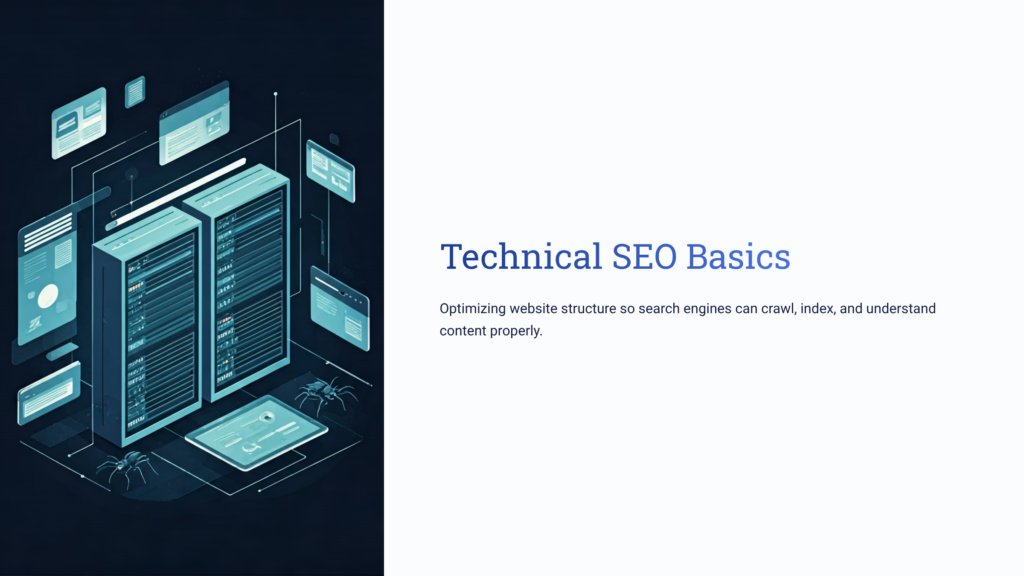
Technical SEO ensures that search engines can easily access website pages. It also helps maintain a smooth and error-free user experience. Without technical SEO, even well-written content may remain hidden from search results.
Technical SEO helps websites remain organized and accessible. A well-structured website improves both search engine understanding and user navigation.
Importance of Technical SEO
Technical SEO is important because it helps search engines understand and rank website content effectively. A technically optimized website performs better in search results and provides a better user experience.
Technical SEO ensures that a website is accessible to both users and search engines. Accessibility allows search engines to crawl and index pages without difficulty. If search engines cannot access website pages, those pages cannot appear in search results.
Website speed is also influenced by technical SEO. Faster websites provide a better user experience and tend to rank higher in search results. Slow websites may cause visitors to leave before the page loads completely.
Technical SEO also helps maintain a clean and error-free website structure. Removing technical problems improves search performance and usability.
Technical SEO builds the foundation for overall SEO success.
Website Speed Optimization
Website speed is an important part of technical SEO because faster websites provide a better user experience. Search engines prefer websites that load quickly because users expect fast results.
Slow websites create a poor experience and may cause visitors to leave early. This can reduce engagement and negatively affect search rankings.
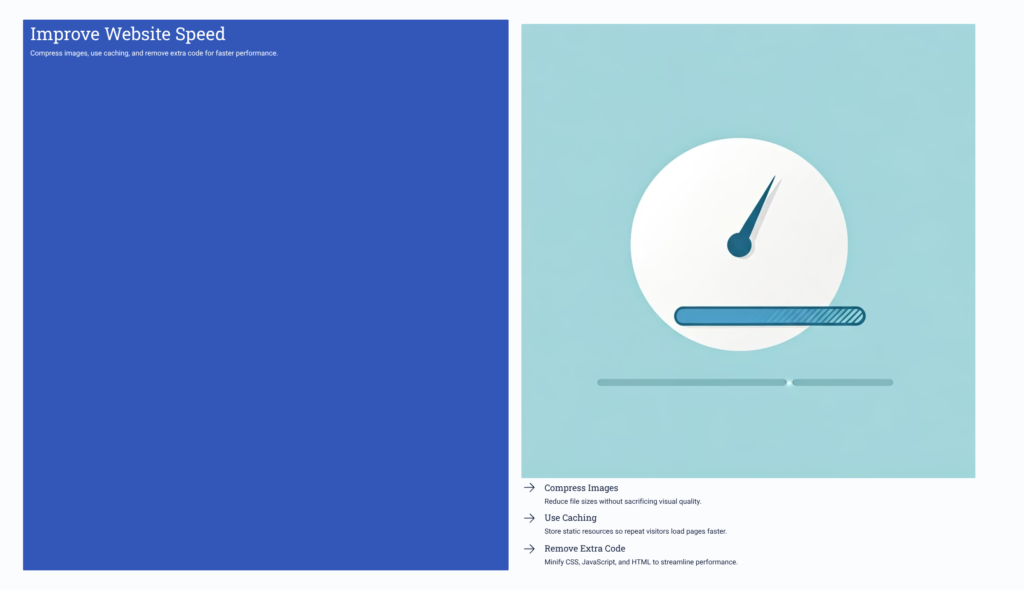
Compress Images
Images often take up a large amount of website storage and can slow down page loading speed. Compressing images reduces file size while maintaining acceptable quality.
Smaller image sizes help pages load faster.
Image optimization improves website performance.
Use Caching
Caching stores frequently used website data so that it can be loaded quickly during future visits. This reduces loading time and improves performance.
Caching helps deliver content faster.
Faster loading improves user experience.
Reduce Unnecessary Code
Websites sometimes contain extra code that is not required for functionality. Removing unnecessary code helps reduce page size and improve loading speed.
Cleaner code improves performance.
Optimized code helps websites load faster.
Mobile Friendliness
Mobile friendliness is an essential part of technical SEO because search engines use mobile-first indexing. This means search engines primarily evaluate the mobile version of a website.
Websites must work properly on all mobile devices and screen sizes. A mobile-friendly website adjusts automatically to different screen sizes and remains easy to use.
Mobile-friendly websites improve user experience. Visitors can easily navigate and read content on smaller screens.
Search engines favor websites that provide good mobile experiences.
Proper mobile optimization improves rankings.
Secure Website Connection
Secure websites are trusted by both users and search engines. Websites that use HTTPS encryption protect user data and improve security.
An SSL certificate enables secure connections and protects information transferred between users and the website. Secure websites provide confidence to visitors.
Search engines prefer secure websites because they provide safer browsing experiences.
Using HTTPS helps improve trust and rankings.
Secure connections are an important part of technical SEO.

XML Sitemap
An XML sitemap helps search engines find all the webpages on a website. It provides a structured list of pages that should be indexed.
Search engines use sitemaps to discover new pages and updates. A sitemap ensures that important pages are not missed.
XML sitemaps improve crawl efficiency.
Sitemaps help search engines understand website structure.
Proper sitemap usage improves indexing.
Robots.txt File
The robots.txt file tells search engines which pages to crawl and which pages to avoid. This file helps control search engine access.
Some pages may not need to appear in search results. Robots.txt allows website owners to prevent search engines from crawling such pages.
Robots.txt helps manage crawl behavior.
Proper configuration improves SEO performance.
Controlled crawling improves efficiency.
Structured Data and Schema Markup
Structured data, also known as schema markup, helps search engines understand website content more clearly. It provides additional information about webpage content.
Structured data helps search engines interpret content more accurately. This improves the chances of appearing in enhanced search results.
Schema markup can help display rich results in search engines. Rich results provide additional information that attracts user attention.
Structured data improves search visibility.
Better understanding improves ranking opportunities.
Fixing Crawl Errors and Broken Links
Crawl errors and broken links create problems for both users and search engines. Broken links lead to missing pages and reduce website quality.
Search engines may struggle to explore websites that contain many errors. Fixing crawl errors helps maintain smooth website navigation.
Removing broken links improves user experience.
Error-free websites perform better in search results.
Regular maintenance keeps websites clean and accessible.
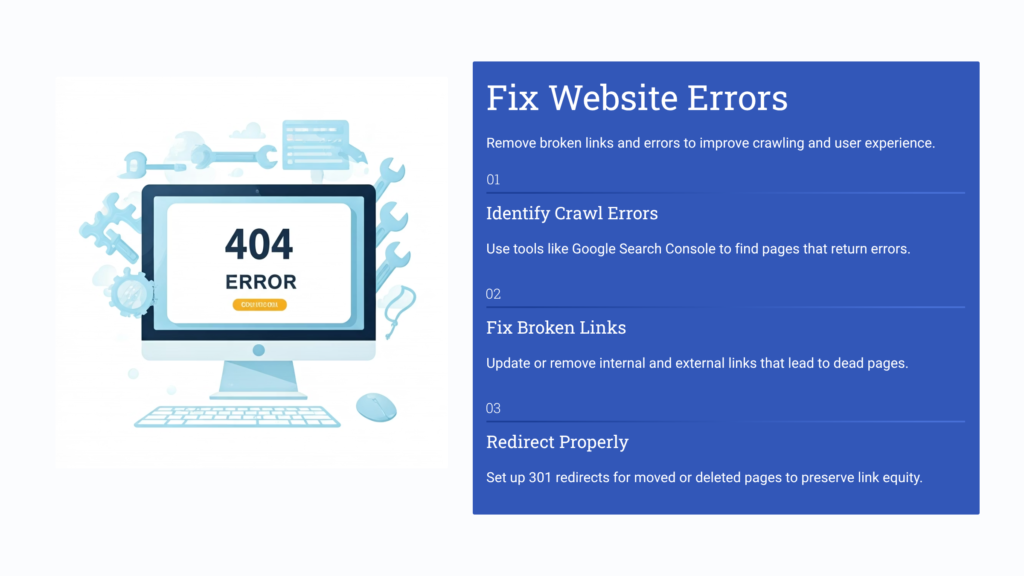
Technical SEO as the Foundation of SEO
Technical SEO builds the structure needed for website success. It creates a solid foundation that supports content and link-building efforts.
Search engines rely on technical signals to evaluate websites. A strong technical structure improves crawling and indexing.
Technical SEO helps search engines find, understand, and rank website content more effectively.
Without technical SEO, other SEO efforts may not produce strong results.
Technical SEO supports long-term growth.
Conclusion
Technical SEO refers to optimizing the back-end and structure of a website so that search engines can crawl, index, and rank it effectively. It ensures that a website is accessible, fast, and error-free.
Technical SEO includes important elements such as website speed, mobile friendliness, secure connections, structured data, and proper website structure. These elements help improve search performance and user experience.
XML sitemaps and robots.txt files help search engines explore websites efficiently. Structured data helps search engines understand content better.
Fixing crawl errors and broken links keeps websites clean and accessible.
Technical SEO builds the structure for website success and helps search engines find, understand, and rank content more effectively.

Related Posts